Have you dreamed of owning a boat?
Hitting the high seas with your family and friends and exploring the world by sea? Wakeboarding and fishing with the kids. Drinking wine and eating fresh fish as your new boat rocks gently at anchor.
What type of boat?
What kind of boating do you want to do? Will you be cruising, racing, fishing, sailing, wakeboarding, or just entertaining at the dock? Next, think about how many people you plan on taking out and what size boat you’ll need. Do you plan on taking it offshore? Do you want a monohull or a multihull? Fibreglass or aluminium? Inboard or outboard engine?
What is my Budget?
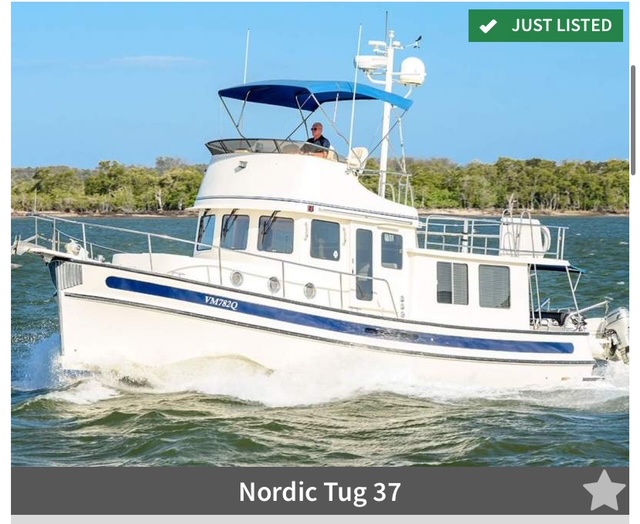
Boats are expensive, and if left unmaintained will quickly become unsafe and depreciate in value. Calculate how much you can financially afford to buy and maintain a boat. Now cut that figure in half and you have a good starting budget.
Not only should you budget your finances, but also your time. If you only have a few weeks a year to enjoy your boat, ensure it is low maintenance. Ie. Don’t buy a timber or steel boat with shiny (or rusty) deck fittings, consider a GRP boat fitted with storage covers.
Where will I keep my boat?
Unless you are buying a large commercial ferry for Bass Strait, you will need to think about where you will store your boat and storage costs. A marina is costly, a mooring requires a dinghy or tender, in storage racks or sheds ashore, or at home on a trailer. If you planning to keep your boat on a trailer, what is your cars towing capacity?
Construction material?
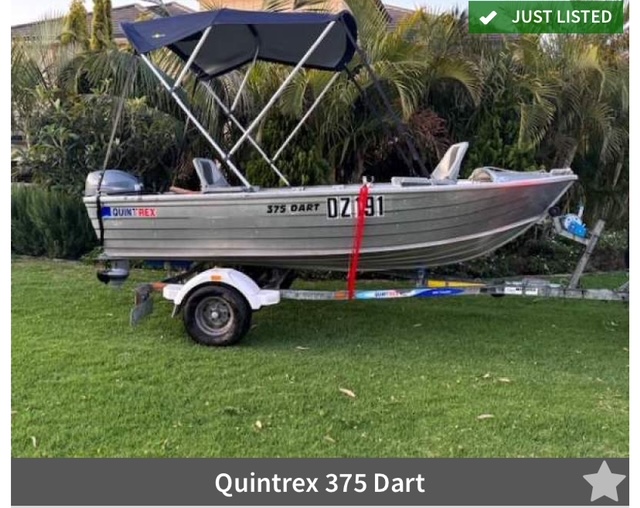
Aluminium vessels tend to be lighter and built correctly can be low maintenance, which is great for towing and means you can also get a bigger boat with minimal maintenance. Tinnys are durable when running up on the beach or riverbank, however can be noisier and don’t usually have the same ride quality as fibreglass boats. They also can suffer electrolysis if not properly maintained.
Fibreglass or GRP (glass reinforced plastic) boats tend to ride softer and faster due to their smoother lines and relative heavy weight. However, that weight comes at a cost. It’ll take more more horsepower to push through the water, and a glass finish isn’t as rugged as alloy and can chip and fade if not looked after properly.
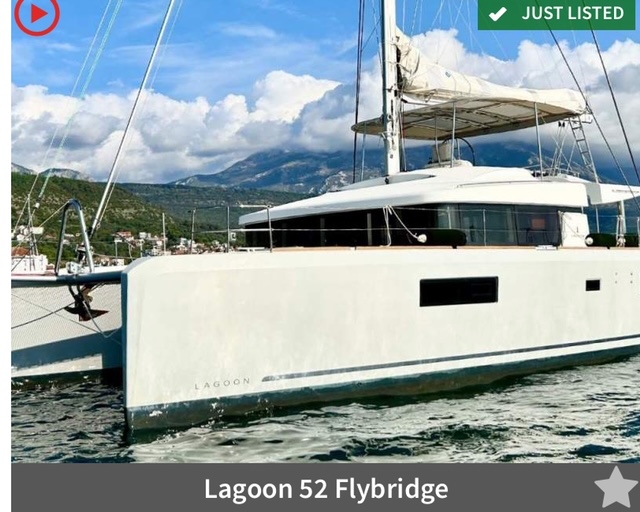
Multihull vessels such as catamarans have relatively more floorspace than monohulls, and tend to be more stable, but they can be heavy and often require multiple engines, increasing running costs. Multihulls also cost a lot more to berth in a marina and are heavy to tow.
Outboard engines are popular because they allow the lower unit of the motor to be kept clear of the water for trailering or when not in use. They also allow more cockpit space within the vessel. A diesel engine is more efficient and reliable.
There’s no single answer, as it all comes down to personal preference and how you plan on using the boat. If you’re still unsure about what type of boat you want to get, a good idea is to head to a boat show or join a yacht club where you’ll be able look aboard a number of different vessels and talk to other boaters.
I found my boat, I’m in love. I’m buying it!
STOP. This is where many boat owners fall prey. They find a bargain, sitting “unloved” on a mooring, it only needs a bit of work and just fits my budget… remember your budget? Remember your time budget? Think about the real costs of owning the boat you have chosen. This is where we Salus Maritime can help because we know boats and we know budgets and we know how much that bargain will take to make it safe and useable.
Before you hand over the cash get some advice and have a professional surveyor inspect the boat. Even if it’s just a 30min check if a 16f fiberglass runabout it will be worth every cent and could save your life.
Your surveyor will ensure;
- Stress points such as transom, pods, keels, rudders, chain plates and mast step.
- Structure of hull, deck and superstructure
- Steering system
- Metal hulls for pitting and corrosion,
- GRP for delamination, moisture and osmosis, Timber for rot and electrolysis.
- Electronics
- Wiring
- Batteries
- Navigation
- Pumps
- Machinery
- Hydraulics
- Check oils, water, leaks, fuel & oil quality.
- Check every nut and bolt.
- Check for repairs and signs of grounding.
- Through hull fittings and sea cocks
- Stability, damaged stability and floatation.
Your surveyor should have the experience, tools and equipment to thoroughly check your boat and whilst the survey may cost you money initially, you will have a tool to negotiate the sale price, or save thousands on future maintenance or repair fees.
Sea trials
Once the boat has been fully checked ensure you do a thorough sea trial. A good surveyor will know if it’s a gem or a dud within minutes of stepping onboard so It is a good idea to bring the surveyor along for at least part of the sea trial.
Your sea trial is a great opportunity to check all the gear and make sure the boat is the right choice. The sea trial may also be the last chance you get from the owner/seller/broker to teach you about the boat and to gain instruction on the operations of the boat and all its systems.
Your dream of boat ownership sounds amazing, but if you are not careful it can quickly turn into a very expensive nightmare.
Choose the right boat! Contact Salus Maritime and we can help guide you to the joys of boat ownership and help you every step of the way. http://www.salusmaritime.com
Now it’s time to go boating!
Rich
Discover more from SALUS MARITIME
Subscribe to get the latest posts sent to your email.
 SALUS MARITIME